
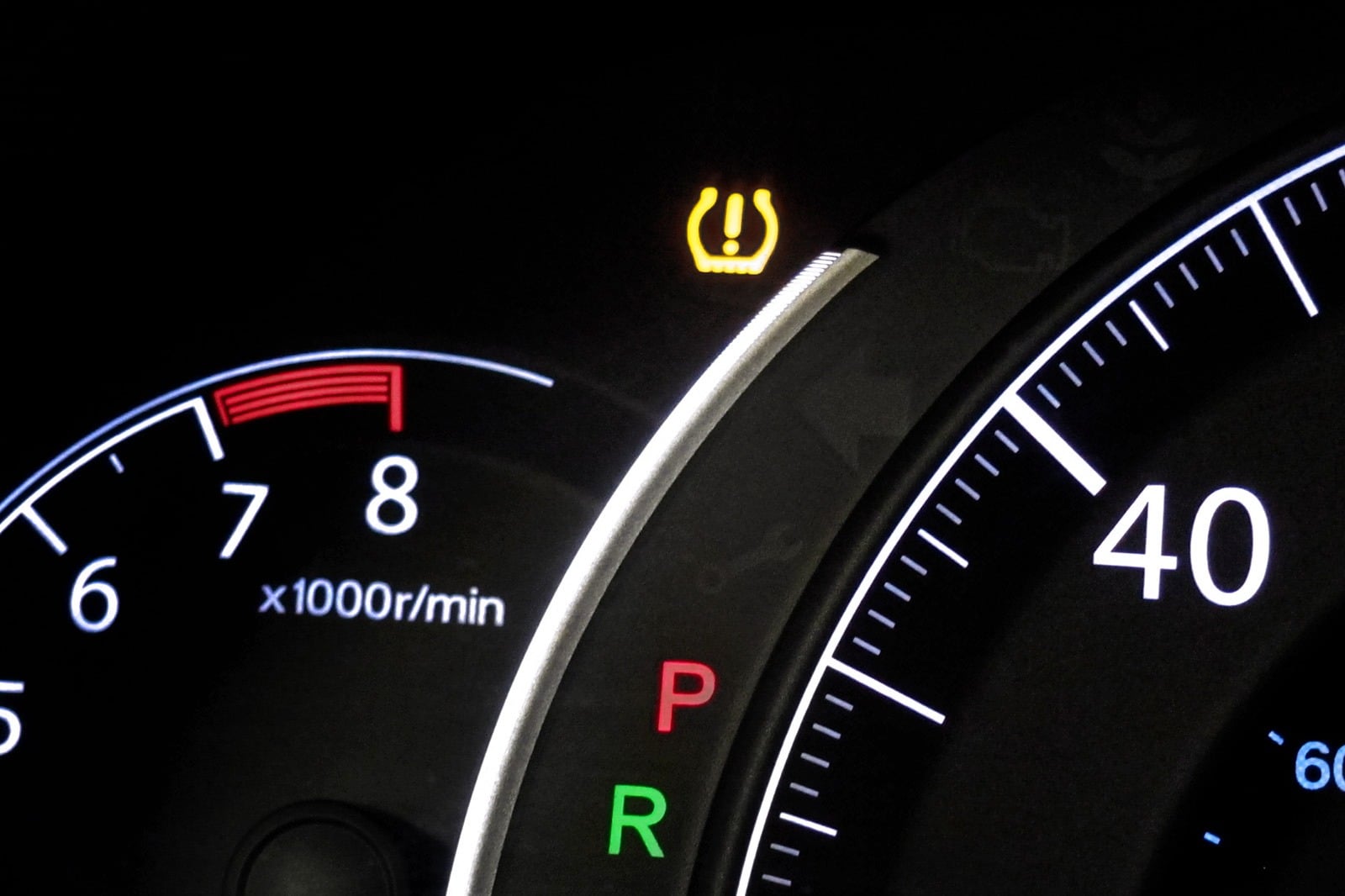
Every automobile requires a tire monitor system installed. It alerts the driver when the tire pressure is either too high or too low. Every tire has a pressure monitoring system located on either the valve of the rim or inside the rim.
Types of tire pressure monitoring systems.
There are direct and indirect tire pressure monitoring systems.
Direct tire pressure monitoring system takes accurate pressure data directly from the tire valve through four pressure sensors attached to the valve, sending the pressure readings in real-time.
An indirect tire pressure monitoring system, on the other hand, uses the Anti-Lock Brake System to approximate tire pressure, and motorists must drive quite a distance before there is an alert.
How do you service a tire monitoring system?
To service a car monitoring system is to ensure it works properly. This can be done by inflating the car tires to the recommended air pressure in the tires and equal pressure in all tires. While using an indirect pressure monitoring system the motorist is required to install particular tires when replacing the originals to ensure smooth operation of the system.
Differences in direct and indirect tire monitoring systems.
Since an indirect system does not trigger an alarm when tire pressure is low, the tires tend to wear out gradually and this causes the motor automobile unroadworthy and unstable to drive especially on wet roads due to less traction.
This also inconveniences the motorist in terms of fuel and time consumption. This means as the driver or owner of the automobile has to ensure servicing and routinely check the tires’ air pressure especially before traveling and recalibrating the air pressure device after modification of the tire pressure or tire change either by a button or in a menu on the on-board computer.
For the direct tire pressure monitoring system servicing is much easier since it has pressure sensors in each wheel mostly located on the inside of the valve. The pressure sensors send the tire’s pressure information in real-time.
This is convenient for users as long as the sensors are fully charged or are fitted will long-life batteries. With a good pressure sensor, an indication will appear when the tire pressure is low. Upon adjusting the tires and inflating them to the required pressure after driving for about 30 seconds to 1 minute the sensor will automatically register the increase in pressure and remove the alert. This system is thus preferred by hudson tire service since one does not have to keep checking their tires manually.
Why service tire monitor system?
Ensuring your automobile has the recommended set of tires by going to the right dealers is very important in servicing a tire monitoring system. The vehicle requires tires that are not worn out and with the recommended tire tread for durability. PSI i.e. pressure per square inch is the minimum amount of pressure needed to support your vehicle at Its maximum load. The right psi is required at all times for your vehicle.